How Social Media Is Reshaping News Consumption
Introduction
In the digital age, the way we consume news has shifted dramatically, and social media stands at the epicenter of this transformation. Platforms like Facebook, Twitter, and Instagram have created an environment where news is instant, accessible, and viral. Gone are the days when people solely relied on newspapers or television channels for information, as today’s readers prefer quick updates on their handheld devices. Social media not only offers immediacy but also encourages interaction, making news consumption a participatory experience. How has this shift impacted the nature of news, and what are the broader implications for society? Let's explore how social media is fundamentally reshaping news consumption.
Advertisement
Instant Access and Real-Time Updates
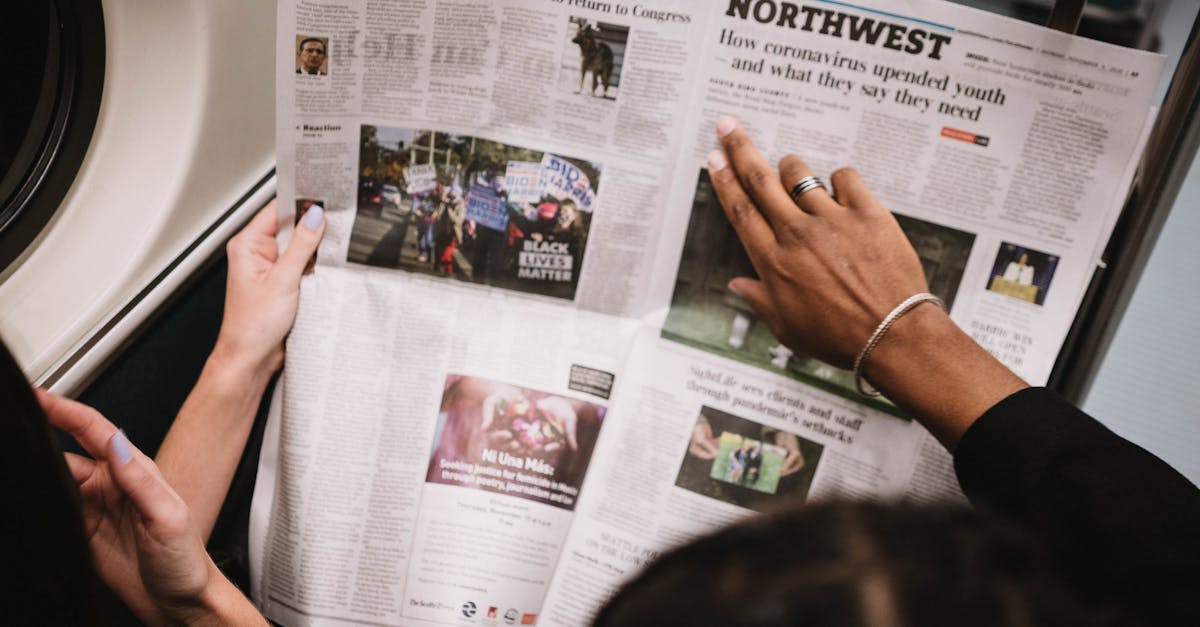
Social media provides news faster than ever before, often breaking stories before traditional media outlets. Platforms allow journalists and commentators to share live updates, photos, and videos as events unfold. This immediacy keeps audiences in the loop, with the ability to digest information in real-time. However, this speed can come at the cost of accuracy, as the pressure to report swiftly may lead to premature conclusions or misinforming the public. Despite these pitfalls, the demand for instant access to news remains high, as citizens seek to stay informed of developments as soon as they happen.
Dziana Hasanbekava/Pexels
Advertisement
Diverse Perspectives and Citizen Journalism
Social media democratizes news distribution, giving voice to a wide range of perspectives that might not find a place in traditional media. Citizen journalism, where ordinary people report on events via social media, has emerged as a powerful force. This phenomenon allows for grassroots reporting from areas otherwise underrepresented in mainstream media, offering fresh and diverse insights. Through platforms like Twitter, users can follow first-hand accounts, enhancing the richness of the narrative. However, the absence of editorial oversight means misinformation can spread, questioning the reliability of unvetted sources.
Advertisement
The Role of Algorithms and Filter Bubbles
Social media platforms rely on algorithms to personalize news feeds, which can inadvertently create echo chambers. These algorithms tailor content based on user preferences, displaying news items that align with existing beliefs, thus limiting exposure to differing viewpoints. Known as filter bubbles, this phenomenon deepens societal divides, as individuals become insulated in their ideological landscapes. While tailored content aims to enhance user experience, it can reinforce biases, polarizing communities instead of bridging differences.
Advertisement
Engagement and Interactivity
Unlike traditional media, social media transforms news consumption into a two-way dialogue. Users not only consume content but are actively encouraged to engage by liking, sharing, or commenting on posts. This interactivity makes the news feel personal, as audiences can discuss, debate, and influence discourse. Public figures and journalists often engage directly with their followers, addressing queries and clarifying facts. This engagement fosters community, increasing both the responsibility and impact of news consumption.
Advertisement
The Power of Visual Content
Visual storytelling has become a cornerstone of news on social media, where images and videos often gain more traction than text. Instagram and TikTok capitalize on this trend, with journalists employing multimedia to present compelling narratives. The virality of visual content ensures wider reach, as striking footage can capture attention and provoke emotions instantly. While visuals make stories memorable, they can sometimes overshadow deeper analysis, emphasizing sensationalism over substance.
Advertisement
Challenges of Fake News and Credibility
The rise of social media has also given momentum to the spread of fake news, which can mislead audiences and shape public opinion based on falsehoods. Viral hoaxes and fabricated stories can tarnish credible news outlets' reputations and erode trust in journalism. To combat this, social media platforms have introduced fact-checking features and partnerships with journalism organizations. Nevertheless, discerning truth from fiction remains a challenge for users, highlighting the need for increased digital literacy and skepticism.
Advertisement
Impact on Traditional News Outlets
The interplay between social media and traditional news outlets has evolved into a complex dynamic. Conventional media now often use platforms like Twitter for breaking news and engagement, reaching audiences they might not otherwise capture. In response, many outlets have adapted their content strategies, focusing more on digital innovations and audience engagement. While some fear that social media could render traditional news obsolete, it also provides opportunities for collaboration and audience expansion.
Advertisement
News for the Mobile Generation
For millennials and Generation Z, who have grown up in a digital world, social media is the preferred medium for news consumption. A mobile-first mentality ensures that news is designed with smartphone users in mind, featuring concise articles, engaging headlines, and multimedia elements. This approach aligns with younger audiences' lifestyles, who prioritize multitasking and prefer consuming news on-the-go. However, the challenge remains to balance brevity with depth, ensuring that coverage isn't superficial.
Advertisement
Conclusion
Social media has reshaped news consumption, making it faster, more interactive, and inclusive of diverse voices. While it offers unparalleled access and engagement, challenges like misinformation and echo chambers persist. As social media continues to evolve, the responsibility to foster an informed citizenry falls on both platforms and consumers. Embracing digital literacy and critical thinking can empower users to navigate this landscape. The integration of traditional and new media heralds a future where news remains dynamic, adaptable, and essential to modern life.
Advertisement
